← Islands·Fuvahmulah

Tiger Shark Pelagic · Gnaviyani Atoll · the one-island atoll

Fuvahmulah

A single-atoll island, two freshwater lakes, and one of the most serious dive coasts in the world.

Operated by avé, end to end

Fuvahmulah, at a glance.

Drawn around the most serious dive coast in the country — and the singular one-island atoll above it.

  • The rooms
  • The table
  • The movement
  • Transfers
  • One ledger

Pricing follows in the reply · within 24 hours, no obligation

Nights
3 · 5 · 7
avé pick
Tiger Shark Specialty3 days
The peak
Tiger Harbour · the gatheringDive
Atoll
Gnaviyani — the one-island atoll
Known for
Tiger sharks · thresher sharks · freshwater lakes
Population
Approx. 13,000
Land
Single oval island, ~5 km long
Freshwater
Two lakes — Bandaara Kilhi & Dhadimagi Kilhi
The island, in full

Fuvahmulah is the only single-island atoll in the Maldives — a long, oval landmass set in deep ocean, near to no other land. Inland: two freshwater lakes (Bandaara Kilhi and Dhadimagi Kilhi), taro fields, the famous Fuvahmulah mango. Off the eastern and western drops, the bottom falls quickly to several hundred metres, and the pelagic register is unlike anywhere else in the country. Tiger sharks gather year-round on the eastern drop. Threshers, oceanic mantas, hammerheads and pelagics pass through. The local dive operators are among the most experienced in the world for this kind of coast. The island itself, far from the resort canvas, holds an agricultural and cultural identity entirely its own — the Mulaki dialect, the long-form bodu beru, the southern hospitality.

For the traveller who wants the most singular island in the country — geological, agricultural, and held against the pelagic drop where tiger sharks gather year-round.

  • Tiger sharks
  • Thresher sharks
  • Freshwater lakes

The Dive · the journeys we compose

A dive, composed.

Fuvahmulah's drop is one of the few places in the world where tiger sharks aggregate predictably and year-round — the harbour's history feeds the gathering, and the local operators are among the most experienced anywhere for this coast.

  1. ½day

    Discover Scuba

    no certification needed

    A supervised pool-and-shallow intro held by a PADI instructor. Drawn for first-timers and the merely curious — no commitment to the longer course.

  2. 3days

    Open Water Course

    PADI certification

    The standard entry — five confined dives, four open-water dives, and the certification card. Drawn into the week so the last two days are unhurried.

  3. 2days

    Advanced Open Water

    five adventure dives

    For divers already certified to Open Water. Deep, navigation, and three electives — usually the ones that prepare for the tiger-shark drop.

    Prerequisite · PADI Open Water (or equivalent)

  4. avé pick

    3days

    Tiger Shark Specialty

    the signature week

    Briefed dives at Tiger Harbour — shallow, compact, composed for stillness rather than chase, with each centre holding its own slot at the site. The operators we hold to keep a strict code: distance kept, no stunts.

    Prerequisite · Open Water · Advanced and recent dives recommended

  5. 5days

    The Pelagic Week

    tigers, threshers, oceanics

    A composed week across Fuvahmulah's stations — tigers at the harbour, threshers at the cleaning ledges, hammerheads in the dawn blue, oceanic mantas as the season turns. The fullest expression of the island's coast.

    Prerequisite · Advanced Open Water · minimum 50 logged dives

Held at 3 · 5 · 7 nights · pricing follows in the reply

The excursions

What the island holds.

The named days of Fuvahmulah, each held privately. Open one to read it — add it in the composer below.

  • Dive · SignatureTiger Harbour · the gathering45 minutes · slottedYear-round

    The harbour mouth at six to ten metres, where the world's largest known tiger aggregation passes within arm's reach of a held line of divers — six or eight most days, more on the good ones. Composed for stillness; the code kept to the letter.

    Prerequisite · Open Water minimum

  • DiveFarikede · the thresher ledgesMorning · by current

    The southern plateau's cleaning stations, where pelagic threshers rise shallow enough to meet — a rarity almost nowhere else holds. The reef tops at ten metres; the plateau falls past forty. Real current, real reward.

    Prerequisite · Advanced Open Water

  • DiveThe hammerhead blueDawn · deepOct–Apr window

    A first-light descent into open blue off the plateau, the reef somewhere below and the scalloped silhouettes rising when the current runs right. The island's most demanding card, played only in season.

    Prerequisite · Advanced Open Water · deep experience

  • DiveThe oceanic mantasBy seasonMar–May

    Four of every five oceanic-manta sightings in the country happen off this island — the spring months bring them to clean and feed along the drop. A wing-span met in open water is not forgotten.

  • LandThoondu & the Bissaaveli2 hoursJun–Aug

    The white-pebble beach at the island's north tip — protected, unduplicated anywhere in the country — and the summer phenomenon where the sand walks offshore and closes a lagoon behind itself. The island swims; you join it.

  • LandThe freshwater lakesHalf day

    Canoes on Dhadimagi Kilhi at the nature park, then the taro fields and fern margins of Bandaara Kilhi — the largest freshwater lake in the country, ringed by birds the ocean islands never see.

  • CultureThe old stones2 hours · with a local host

    Vasho Veyo's circular coral-stone bathing well, the carved walls of the island's early mosques, and the havitta mound that remembers the Buddhist centuries — the deep south's long memory, read on foot.

  • CultureA bodu beru eveningEvening

    A private gathering with local musicians — the long-form southern drumming, held in a courtyard after dark.

  • TableA southern home supperEvening

    A long meal at a family home — taro curry, kattelhi from the deep water off the island, mango ice when the season gives it. Composed quietly by avé.

The standard

Operated, not just booked.

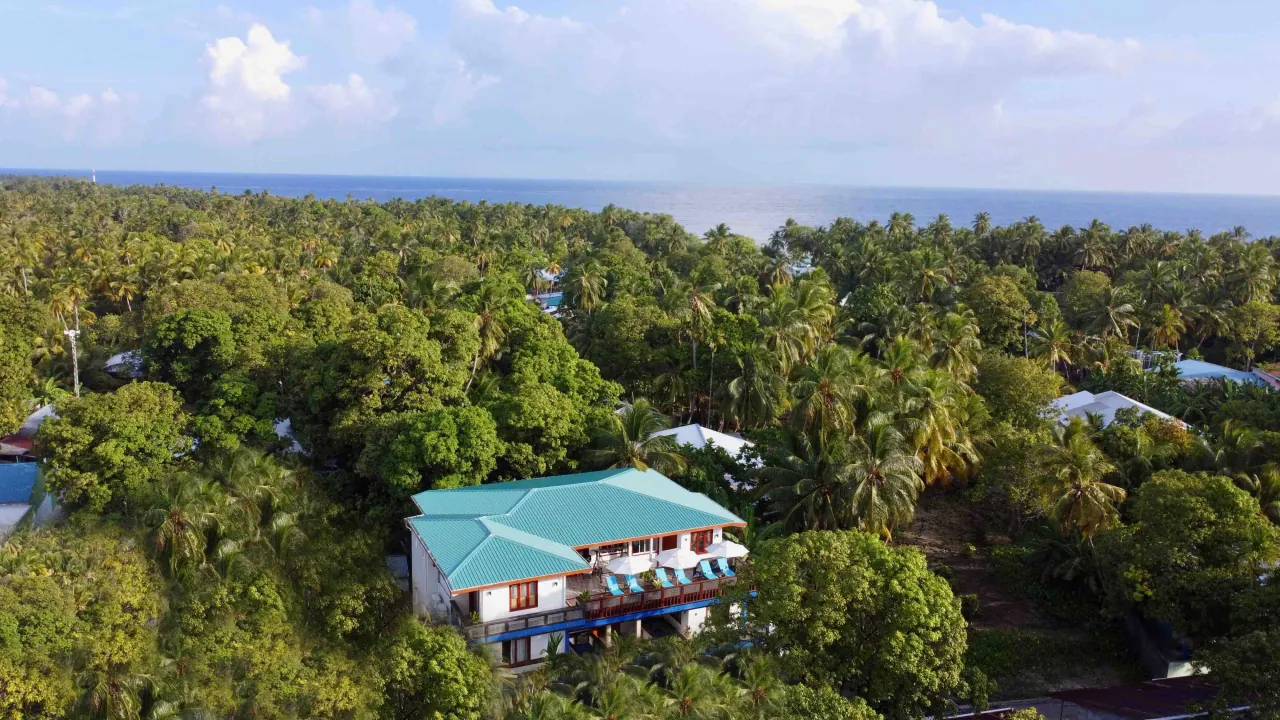
A guesthouse on Fuvahmulah is a different kind of luxury, not a budget compromise. This is how we hold it.

  • Vetted houses & operators

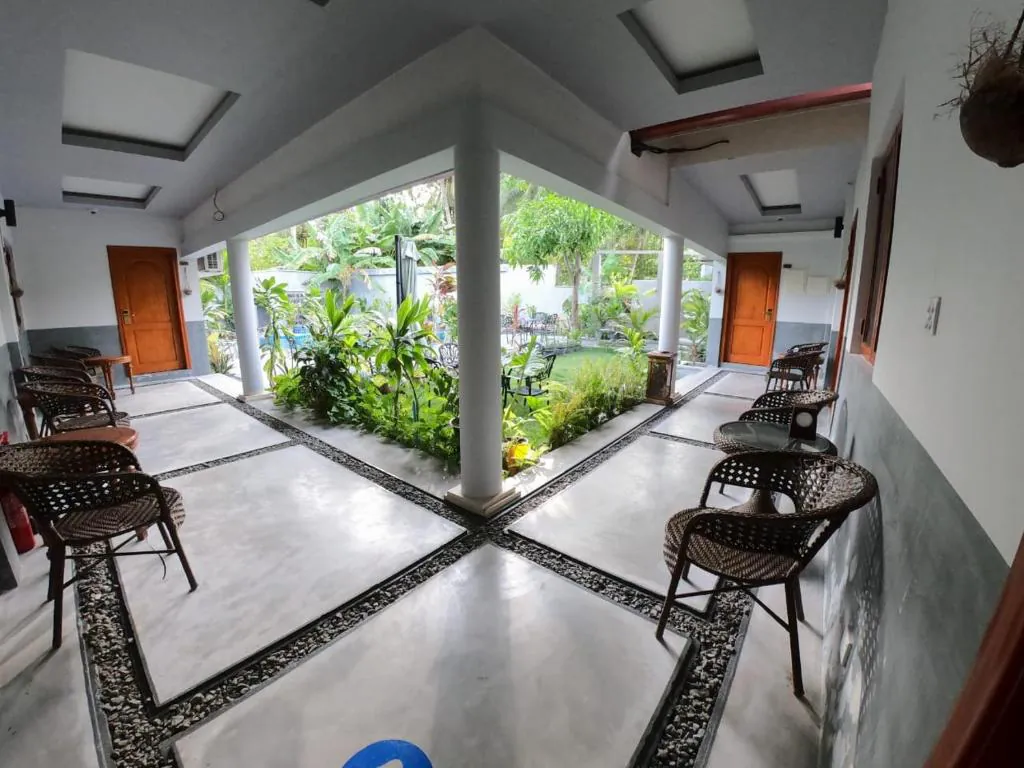
    Every guesthouse, guide and boat is one we have used or inspected. We operate nothing we would not put our own guests on.

  • A guide who is yours

    Not a group tour — your own host on the island, who knows the families, the captains and the reef, and holds the day to your pace.

  • Rooms held to a standard

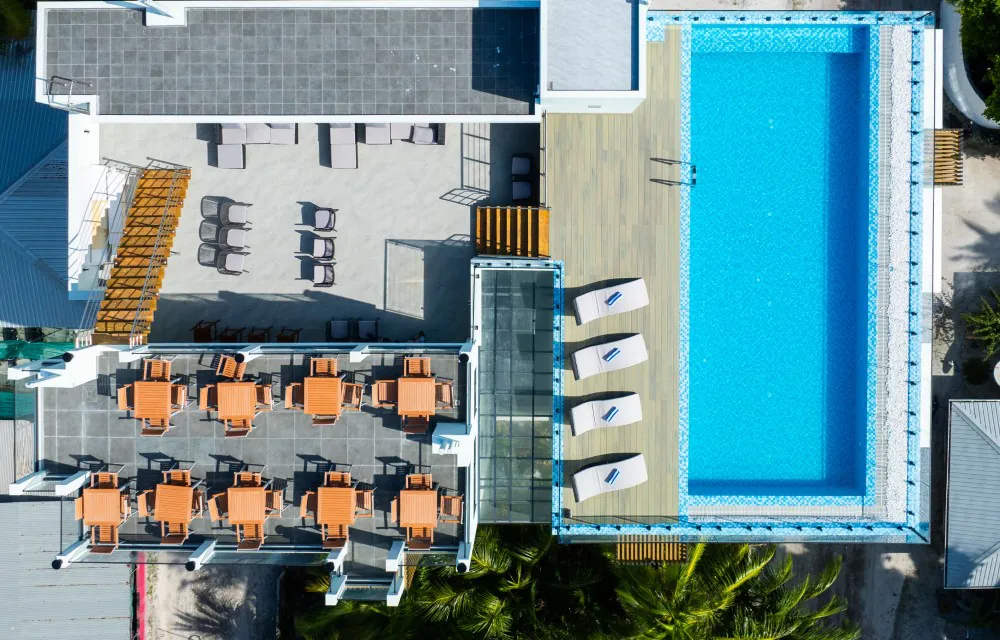
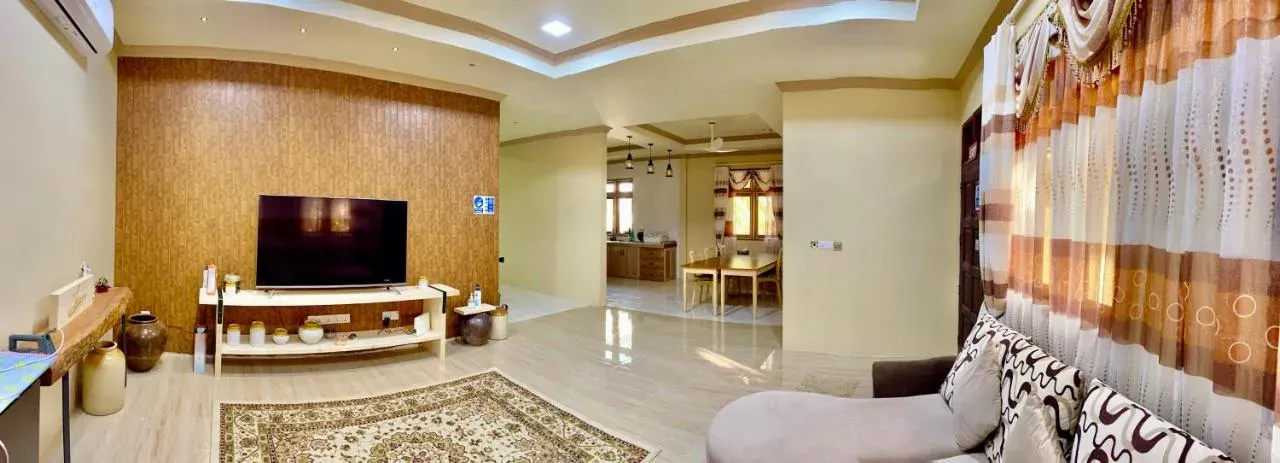
    En-suite, air-conditioned, the board you chose — the room secured in your name before you fly, never left to chance on arrival.

  • Transport, handled

    Speedboat, ferry or domestic flight, aligned to your arrival window. The connections are ours to arrange, not yours to chase on the dock.

  • Safety, not left to luck

    A local contact through the journey, an emergency line, and the standards we hold every operator to — on the water and off it.

  • One ledger, one payment

    A single, clear price and one payment for the whole journey — not a dozen guesthouse bookings settled in cash on arrival.

How we hold every journey

The shape of a day

How the day holds.

  1. 7.00

    The Tiger Shark Point dive

    A short boat ride to the eastern drop; the briefing held carefully; the dive composed for stillness rather than chase.

  2. 11.00

    A lake walk

    A slow walk around Bandaara Kilhi — taro paddies, lotus, the rare birds the lake holds.

  3. 13.30

    The mango orchard

    A private call on a family's plot — the Fuvahmulah mango is held with quiet pride here.

  4. 16.00

    Thoondu beach

    A walk on Thoondu beach at low tide — round white pebbles, almost no one. Different from any other beach in the country.

  5. 19.30

    Supper at a home

    A long supper held in a family home — taro, southern curries, the long-form bodu beru drumming in the lane after dark.

Plan the trip

When to come, and how.

  • The tigers · Year-round

    The harbour aggregation does not keep a calendar — the gathering holds in every month, and the slots at the site are drawn daily. The rest of the coast turns with the seasons around it.

  • The dry window · Dec — Apr

    Calm seas and the clearest water — the hammerhead dawns run best in these months, and the crossings to the dive grounds stay kind. The island's high season, such as it has one.

  • The Bissaaveli months · Jun — Aug

    The southwest monsoon builds Thoondu's offshore sandbar and closes its summer lagoon — the island's own festival of water. The boats work the lee coast; the threshers hold their ledges.

Getting there

  • By airDomestic flight from Velana International · ~1.5 hours
  • Private charterHeld on request from Malé or Gan
  • OnwardOften paired with Addu (45-min hop) for a southern circuit

The table

  • PrivateA southern home tableA long meal held in a Fuvahmulah family's home — taro curry, dried tuna, mango ice — composed by avé for a small party.
  • Working harbourThe harbour grillA working harbour at the western edge — the morning catch over fire, eaten with rice and lime.
  • OrchardThe mango hourA short call at an orchard during the mango season — the fruit eaten at the tree, the small ceremony of it.

Fuvahmulah · Questions

Asked, quietly answered.

Field notes

  1. Tiger Shark Point on the eastern coast is one of the few places in the world where tiger sharks aggregate year-round, predictably and in numbers — drift conditions are real and the operators here are unusually experienced.

  2. Fuvahmulah's two freshwater lakes are home to several endemic bird species and the country's only sizeable population of taro paddies — a piece of agricultural Maldives held nowhere else.

  3. The Mulaki dialect spoken here is markedly different from northern Dhivehi — closer in some constructions to the southern speech of Addu, and a small marvel for the linguistically curious.

  4. The Fuvahmulah mango is shipped north in early summer and is held with the kind of regional pride a French farmer holds for a varietal apple.

By air, never by sea. Fuvahmulah sits far to the south, and the only sensible way in is the domestic flight from Malé — about an hour and a half, on the national carrier. There are usually a couple of rotations a day, though the times shift with the season, so we hold the seat that lands you with the most light. It is a flight away, never a day trip; plan to stay.

Tiger sharks, close and reliable. The island is its own atoll — no surrounding lagoon, with the deep ocean dropping away right at the shore — which is why the big pelagics come in so near. At a shallow site just off the harbour the divers call Tiger Harbour they are seen year-round, all but guaranteed, and that single fact is why people fly this far. It is one of the few places on earth where the encounter is the ordinary, not the once-in-a-lifetime.

The headline never closes: tiger sharks are seen the year round, which is the whole point of the place, though the calmer, drier months early in the year tend to give the easiest water. The supporting cast turns with the season — threshers and schooling hammerheads more likely when it is cooler, mantas and the larger pelagics drifting through at their own times. The southwest months can bring rougher seas, but the diving runs through. We draw the days around what you most want to see, and tell you honestly what the season favours.

More than the underwater fame suggests. The island keeps two freshwater lakes — rare in the Maldives — ringed by wetlands, taro fields and mango trees, good for a slow morning of birds. There is Thoondu at the northern end, a beach of pale shingle rather than coral sand, where natural pools form against the shore in season, plus surf breaks, a mud bath and quiet old sites. We line up a guide and a scooter; little of it carries a fixed price.

Not a designated one. Fuvahmulah is a living Muslim community, so the courtesy on land is modest dress — covered shoulders and knees in public, and bikinis kept off the local beaches. Swimwear belongs where it belongs: on the dive boat and in the water on excursions. Thoondu is the beach to walk, but to swim it, dress as the island does, over a swimsuit.

No — Fuvahmulah is dry, as the inhabited islands are, and the guesthouses neither serve nor sell it. There is no floating bar and no resort within easy reach to slip away to; this is a remote southern island, and the day is built around the water, not a drink. Come for the diving and the quiet, and leave that expectation at Malé.

Most people come on a dive-and-stay package over several nights — room, meals and a set of dives folded together — which is how the houses here tend to price it, and it works out gentler per dive than booking each one loose. The figures vary widely by guesthouse, by how many dives you want and by whether the domestic flight is included, so we quote yours against the trip you actually have in mind rather than a headline rate. Gear hire is modest if you travel light.

Several, at least. Because reaching Fuvahmulah means a flight rather than a crossing, there is no day-tripping it — the dive trips tend to settle around three to five nights or more, enough to let the sharks, the lakes and a slow island day each have their turn. We size the stay to the diving you have in mind and leave a little room for the land to surprise you.

Compose · Your Journey

A fuvahmulah journey,
drawn under your hand.

avé operates this journey — stay, food, transfers, the experience itself — so you can draw the shape of your days here in one place. Pricing is held for the reply.

The Dive

A dive, composed.

Choose the journey to draw the days around.